
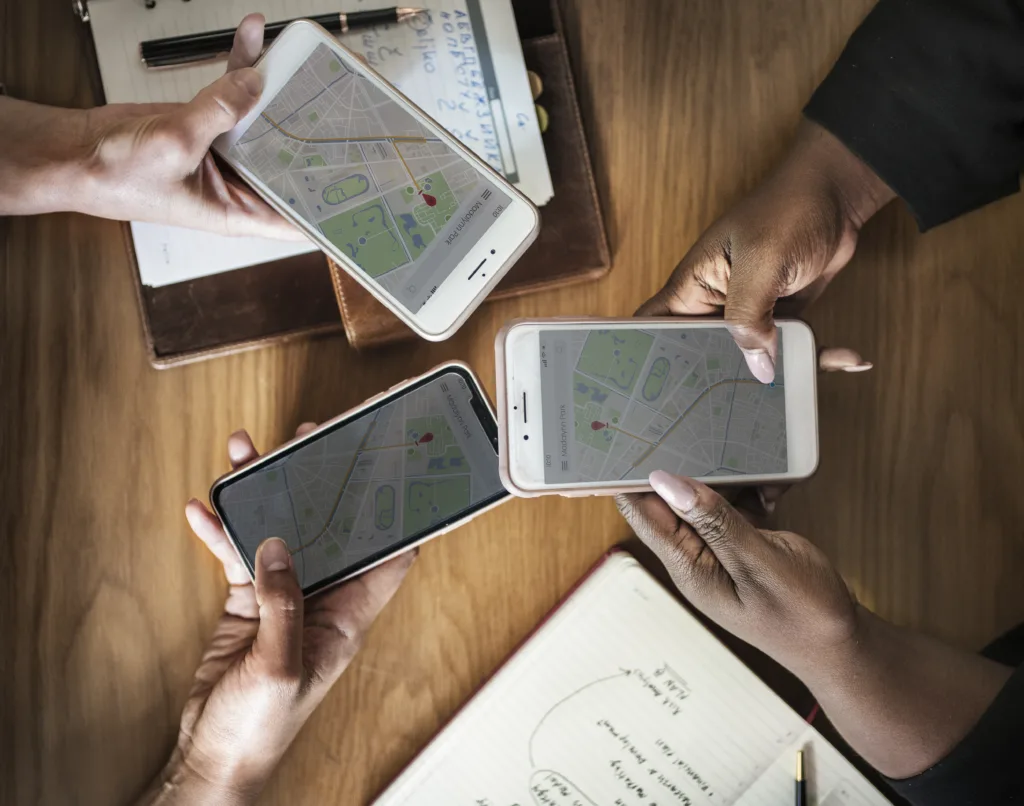
DOOH advertising has always been powerful for reaching audiences in the physical world. But as marketers demand clearer proof of impact, geolocation data is becoming the bridge between visibility and verifiable results. Today, advertisers can go far beyond OOH impressions, tracking how people move through space, linking exposures to real-world actions, and attributing measurable outcomes to each campaign.
Why Geolocation is Redefining OOH Measurement
Traditional OOH relied on projections: estimated impressions, average dwell time, modeled reach. Those metrics still matter, but they don’t tell the whole story. Geolocation data introduces precision to audience measurement. By anonymously tracking device movement patterns, advertisers can see how exposure to a specific OOH asset correlates with store visits, app engagement, or even purchase behavior.
This shift doesn’t just optimize media spend, it transforms how brands understand cause and effect in the physical world. Spatial intelligence and geotargeting are revolutionizing the way we approach location-based marketing and campaign optimization.
Key Methods of Geolocation-Based Attribution
- Geofencing and Footfall Attribution Geofences are virtual perimeters drawn around both the OOH asset (e.g., billboard, screen) and the advertiser’s location (e.g., store, branch). By comparing the movement of devices within those zones, marketers can measure incremental visits (how many more people visited a store after being exposed to the campaign). This is one of the most direct ways to tie exposure to physical action. Utilizing a comprehensive POI database enhances the accuracy of this method.
- Omnichannel Retargeting Once a device enters a geofence near an ad, its anonymized ID (MAID) can be used to re-engage that audience digitally. That means a person who saw a screen on their commute might later see a complementary message on their phone. This continuity between physical and digital touchpoints deepens engagement and reinforces brand recall. Programmatic advertising and audience targeting play crucial roles in this process, allowing for hyper-targeting based on location data.
- Web and App Lift By comparing the online activity of exposed vs. unexposed audiences, brands can measure how OOH drives digital behavior, from brand searches to website visits and app downloads. It’s a powerful indicator that the campaign didn’t just create awareness, it sparked action. This method provides valuable insights into reach and frequency across different channels.
- QR Code Engagement Dynamic QR codes turn OOH into an interactive channel. Each scan directly connects the physical environment to a digital experience, allowing brands to track real engagement events while enriching audience data. This approach combines the benefits of out-of-home advertising with mobile tracking capabilities.
- Sales Lift Analysis The most tangible proof of impact comes when brands compare sales performance across exposed vs. unexposed regions. A measurable increase in sales validates OOH as a driver of revenue, not just awareness. This method is crucial for assessing overall campaign effectiveness and attribution.
How AdMobilize Powers Data-Driven OOH Attribution
This is where AdMobilize steps in. Through Video Analytics, AdMobilize helps companies turn their advertising data into actionable insights and measurable growth. The platform brings together audience intelligence, campaign analytics, and geolocation data to create a unified view of performance across digital and physical environments.
AdMobilize simplifies complex processes like:
- Geofence automation: easily setting up virtual perimeters around billboards, screens and points of interest (including your client’s physical stores for example).
- Audience enrichment: combining Mobile IDs and contextual signals to build anonymized, privacy-safe audience profiles.
- Cross-channel data integration: linking OOH exposure with web activity, app usage, and physical stores for point-of-sale results.
- Revenue-driven analytics: transforming exposure and movement data into metrics that directly reflect business outcomes.
The platform leverages real-time data and dynamic creative optimization to enhance DOOH performance metrics. It also utilizes advanced device ID matching techniques for more accurate attribution.
In this day & age, this level of analysis and data is no longer reserved just for the multimillion campaigns. Regardless of the size of the budget, campaigns can now be data-driven and use the same set of tools for media planning, measurement, and attribution. With this level of intelligence, advertisers can finally answer the question that defines modern OOH success: Did my campaign move people, and did that movement translate into measurable results?
Location intelligence platforms like AdMobilize are transforming the landscape of out-of-home advertising. By harnessing the power of mobile location data and advanced location analytics, brands can now achieve unprecedented levels of audience insights and campaign optimization. From improved site selection based on audience composition to precise proximity targeting and impression multiplier effects, the possibilities for enhancing campaign performance are vast.
Get in Touch
Contact us today to learn more about how AdMobilize can help you transform your data into measurable, revenue-driven impact. Our location-based attribution methods and comprehensive DOOH performance metrics will elevate your advertising strategies to new heights.